
The global energy landscape is undergoing a major transformation, and one of the most significant developments is the growing role of the United Arab Emirates (UAE) in the United States’ liquefied natural gas (LNG) sector. Once viewed primarily as a major oil exporter, the UAE is now expanding its influence through strategic investments in America’s booming LNG industry. This shift reflects changing global energy demands, the need for energy security, and the UAE’s long-term strategy to diversify its investments while strengthening ties with the United States.
As LNG becomes an increasingly important fuel in the transition toward cleaner energy, the partnership between the UAE and the U.S. is growing stronger. The UAE’s investments in American LNG infrastructure are helping reshape global energy markets and positioning both countries for future opportunities.
America’s LNG Boom
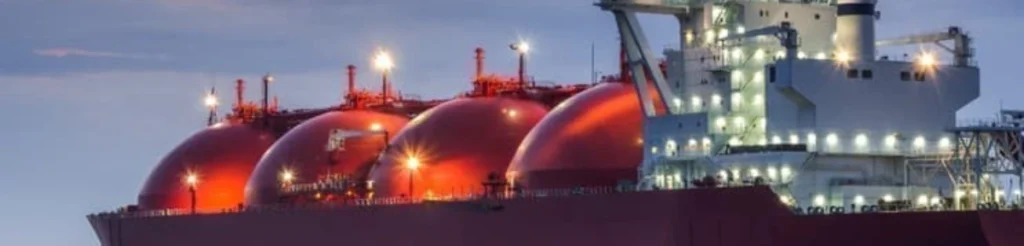
Over the past decade, the United States has become one of the world’s largest exporters of liquefied natural gas. Thanks to abundant shale gas reserves and advances in drilling technology, American natural gas production has surged dramatically.
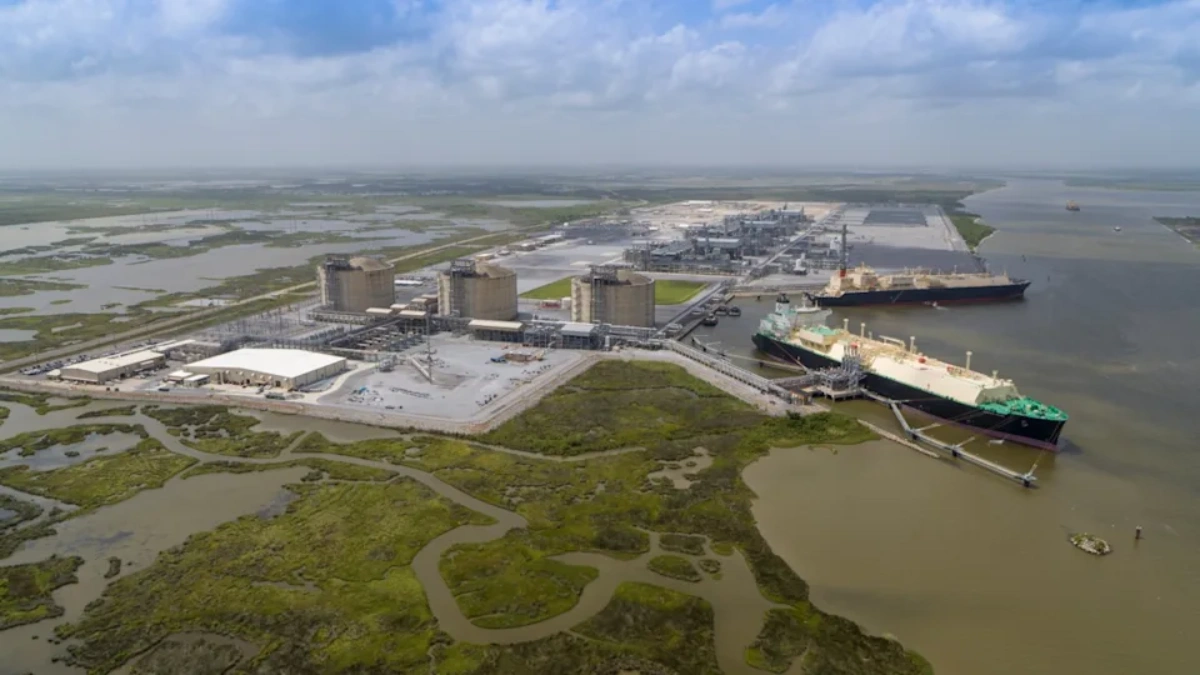
Major export terminals along the Gulf Coast in Texas and Louisiana have transformed the country into a global energy powerhouse. These facilities liquefy natural gas, allowing it to be transported by specialized tankers to customers across Europe, Asia, and other regions.
The demand for LNG has increased significantly as countries seek cleaner alternatives to coal while maintaining reliable energy supplies. Natural gas emits fewer greenhouse gases than coal when burned, making it an important bridge fuel in the global energy transition.
Why the UAE Is Investing

The UAE has long recognized that the future of energy extends beyond crude oil. Through state-owned energy companies and sovereign wealth funds, the country has invested billions of dollars across various sectors worldwide.
Several factors explain why American LNG has become particularly attractive.
Diversification of Energy Investments
Although oil remains a key source of national income, the UAE has actively diversified its economy and investment portfolio.
Investing in LNG provides exposure to a growing global market with strong long-term demand. Rather than relying solely on oil exports, the UAE gains access to another important segment of the international energy industry.
Strong U.S.-UAE Relations
The United States and the UAE have maintained close economic and strategic ties for decades.
Energy cooperation has become a central pillar of this relationship. UAE investment in American LNG projects strengthens bilateral partnerships while creating mutual economic benefits.
For the U.S., foreign investment helps finance large-scale infrastructure projects.
For the UAE, these investments provide access to advanced technology, stable returns, and long-term supply opportunities.
Rising Global LNG Demand
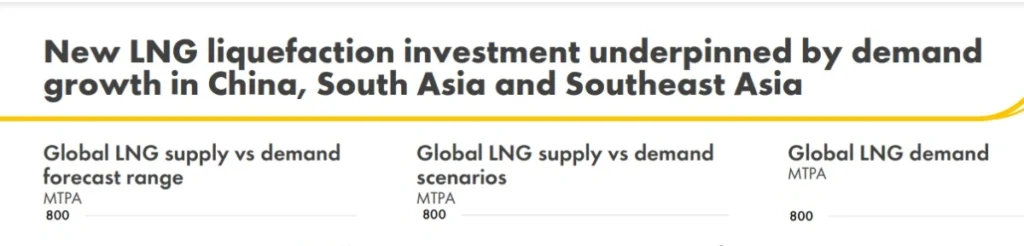
Demand for LNG continues to grow rapidly around the world.
Europe’s Energy Shift
European countries have sought alternative energy suppliers in recent years as they reduce dependence on Russian natural gas.
American LNG exports have become increasingly important in filling that gap, making U.S. export terminals valuable global assets.
Asia’s Growing Consumption
Countries including Japan, South Korea, India, and China continue to expand LNG imports as electricity demand rises and environmental regulations become stricter.
Rapid industrialization and urbanization are expected to keep Asian LNG demand strong for years.
The UAE recognizes this long-term trend and wants to participate in supplying these growing markets.
Strategic Investments in U.S. LNG

Instead of merely purchasing LNG cargoes, UAE-backed companies are investing directly in American export facilities.
These investments may include:
- Equity stakes in LNG export terminals
- Long-term supply agreements
- Infrastructure financing
- Shipping partnerships
- Technology collaboration
Owning part of LNG infrastructure allows investors to benefit from production, exports, and long-term market growth.
Economic Benefits for Both Countries

The partnership creates significant advantages on both sides.
Benefits for the United States
American LNG projects require billions of dollars in financing.
Foreign investment supports:
- Construction of export terminals
- Expansion of pipelines
- Job creation
- Local economic development
- Increased export capacity
The result is greater competitiveness in global energy markets.
Benefits for the UAE
For the UAE, these investments generate:
- Stable long-term financial returns
- Diversified revenue sources
- Access to premium LNG markets
- Enhanced global energy influence
- Stronger economic partnerships
These benefits align with the UAE’s long-term national development goals.
Energy Security Matters

Energy security has become a major priority for governments around the world.
The COVID-19 pandemic, geopolitical tensions, and supply disruptions demonstrated how vulnerable global energy markets can be.
By investing in American LNG, the UAE gains access to reliable production from one of the world’s largest natural gas suppliers.
Diversified supply sources reduce risks associated with political instability or regional disruptions.
LNG’s Role in the Energy Transition
Although renewable energy continues expanding rapidly, experts believe natural gas will remain an important part of the global energy mix for decades.
Compared with coal, LNG offers:
- Lower carbon emissions
- Greater flexibility
- Reliable electricity generation
- Support for renewable energy integration
Many countries view LNG as a practical bridge fuel while increasing investments in solar, wind, and hydrogen.
The UAE itself has invested heavily in renewable energy while continuing to expand its natural gas business.
Growing Competition

The LNG industry has become increasingly competitive.
Major exporting nations include:
- United States
- Qatar
- Australia
- Russia
- Malaysia
As new projects come online, investors seek opportunities that offer long-term profitability and strategic value.
The UAE’s investments demonstrate confidence in America’s ability to remain a leading LNG exporter.
Geopolitical Significance

Energy has always influenced international relations.
Greater UAE participation in U.S. LNG projects strengthens cooperation between two important strategic partners.
These investments also reinforce global energy supply chains and improve resilience during periods of geopolitical uncertainty.
For importing countries, diversified ownership and expanded production contribute to more stable LNG markets.
Challenges Ahead
Despite strong growth prospects, several challenges remain.
These include:
- Fluctuating natural gas prices
- Environmental concerns
- Regulatory approvals
- Construction costs
- Competition from renewable energy
- Global economic uncertainty
Investors must carefully manage these risks while maintaining long-term confidence in LNG demand.
The Future Outlook
Industry analysts expect LNG demand to remain robust through the 2030s, particularly across Asia and developing economies.
American LNG export capacity is projected to continue expanding, creating additional investment opportunities.
Meanwhile, the UAE is likely to deepen its global energy portfolio by combining investments in oil, natural gas, hydrogen, carbon capture, and renewable energy.
This balanced approach allows the country to adapt to changing market conditions while maintaining its leadership in the international energy sector.
Conclusion
The UAE’s growing investment in America’s LNG industry reflects more than a simple financial decision. It represents a strategic partnership built on shared economic interests, energy security, and long-term market opportunities.
As the United States continues to strengthen its position as a leading LNG exporter, the UAE is securing a larger role in one of the world’s most valuable energy industries. These investments support infrastructure development, expand global energy supplies, and reinforce cooperation between two influential nations.
With global demand for cleaner and more reliable energy continuing to rise, the partnership between the UAE and the U.S. is expected to play an increasingly important role in shaping the future of the LNG market. While challenges remain, the collaboration highlights how international investment and strategic cooperation are redefining the global energy landscape in the decades ahead.